


Rack electroplating
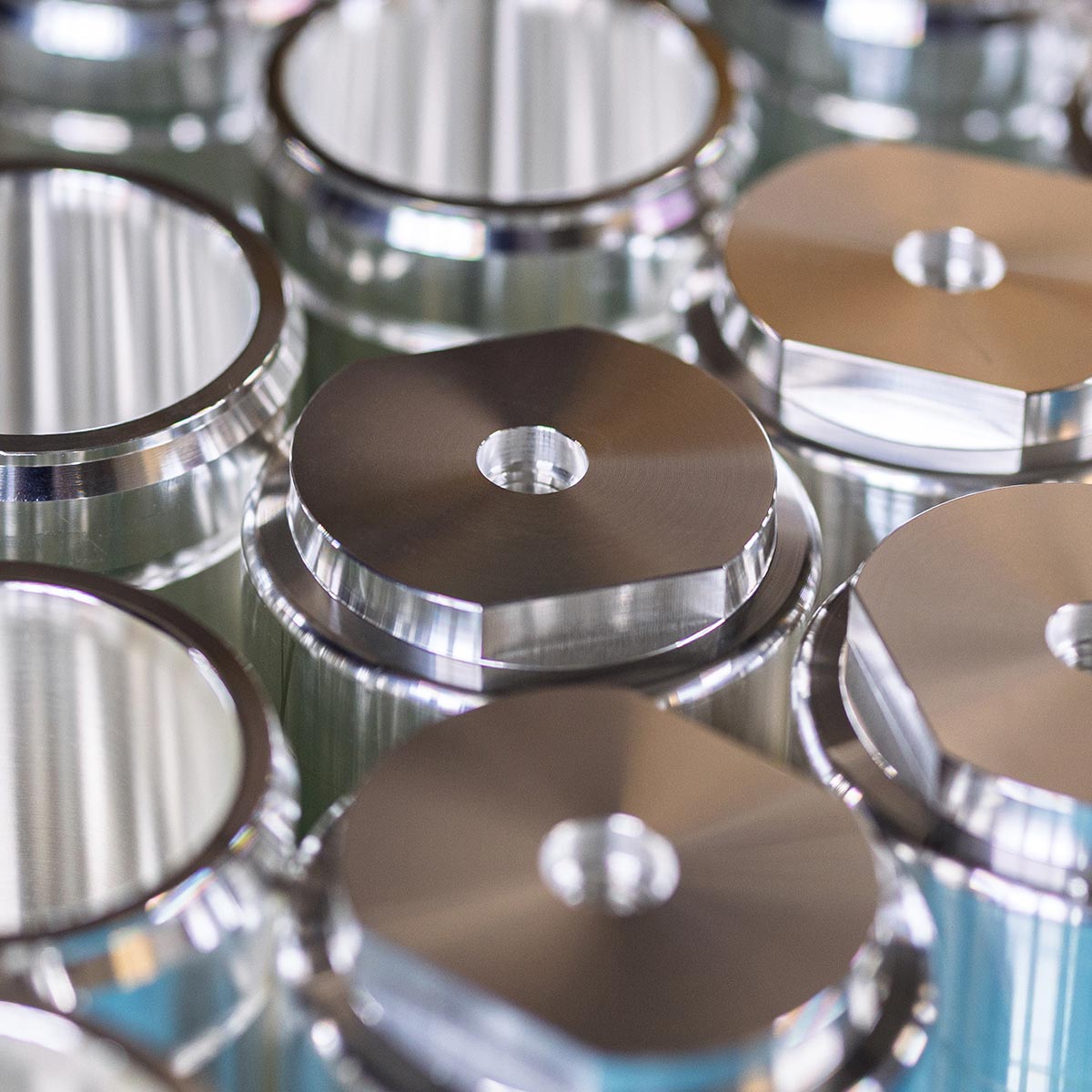
Rack electroplating is the right process if sensitive, large-area or geometrically complex components are to be coated.
At Deusch & Co., the parts are fixed on specially designed racks and guided through the process baths – ideal for functional and visible parts with high surface and process reliability requirements.
Brief overview:
What is rack electroplating?
In rack electroplating, the individual parts to be coated are mounted or clamped on special racks. These racks are then moved through the individual treatment and coating baths.
The big advantage: Each component has a defined position in the process. This means that:
- Targeted coating of interior and exterior surfaces,
- treat sensitive geometries gently,
- Adjust layer thicknesses and surfaces very precisely.
Rack electroplating is particularly suitable for components that cannot be processed as bulk material, where an internal coating is required or where optical quality plays an important role.
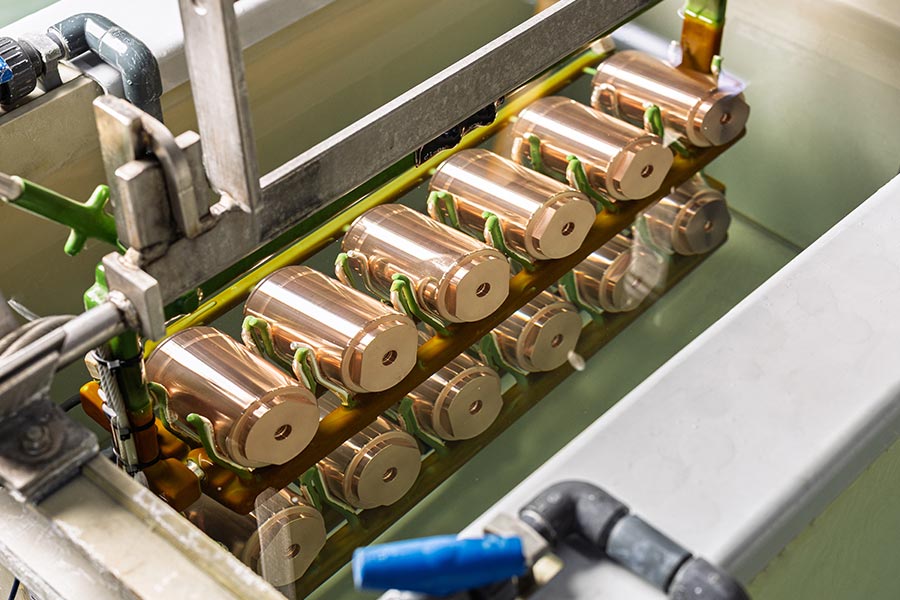
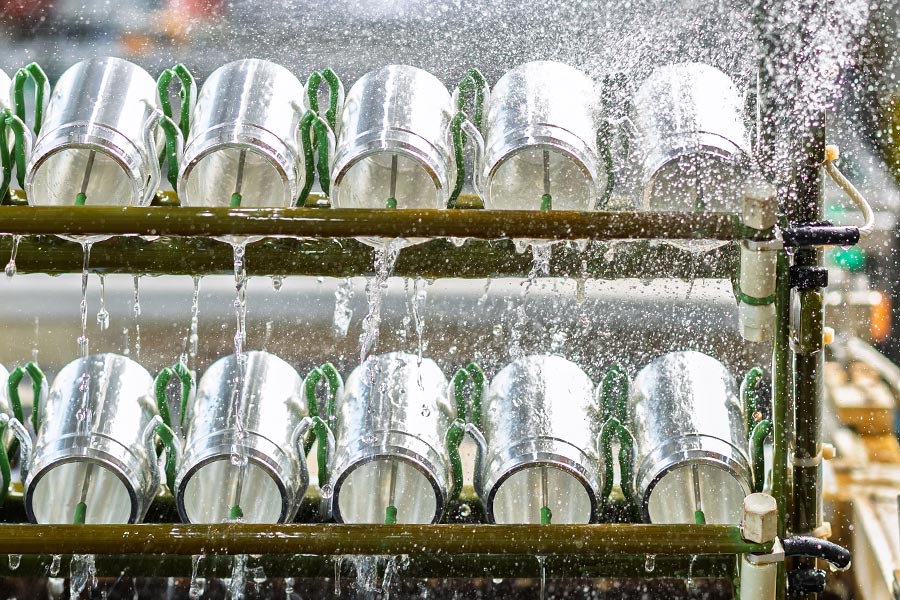
Typical applications of rack electroplating
Rack electroplating is used wherever components are more complex, carry higher voltages or currents or are exposed to special environmental conditions.
Typical applications are for example:
- Components for high-voltage electronics
- Components for wind turbines
- Parts for railroad technology
- Plug connections with special internal and external contacts
- Components for solar technology
Thanks to the individual mounting on frames, even complex shapes can be coated reliably and evenly – inside and out.
Advantages of rack electroplating
at Deusch & Co.
Deusch & Co. uses rack electroplating wherever conventional barrel or strip electroplating reaches its limits – whether due to the geometry, the sensitivity of the parts or special surface requirements.
Your advantages at a glance:
- Internal and/or external coating of components, e.g. internal coating of bushings
- Gentle handling of sensitive parts that cannot be processed as bulk material
- High reproducibility thanks to defined fixture of the parts on the frame
- Possibility of coating critical areas in a targeted manner
Individual frame design
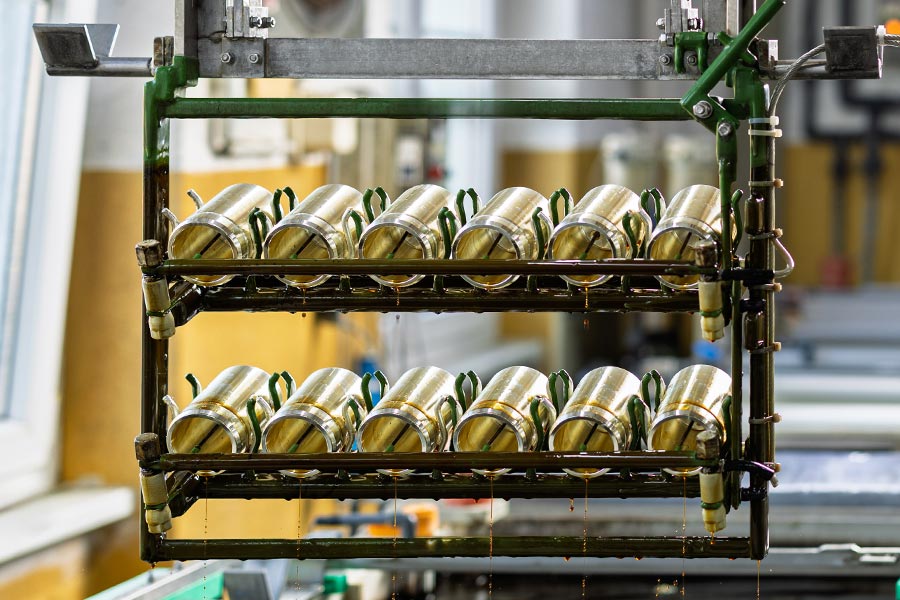
For many components, individual frames are designed that are tailored to the geometry, contacting and process parameters. This makes it possible:
- safe pick-up of the parts,
- a good electrolyte flow,
- defined contact points and reproducible results.
Packaging and parts handling
Even after coating, great importance is attached to gentle parts handling and suitable packaging. The components are packaged in such a way that the galvanized surface remains protected and the parts can be safely processed or assembled.
Coating systems and metals in rack electroplating
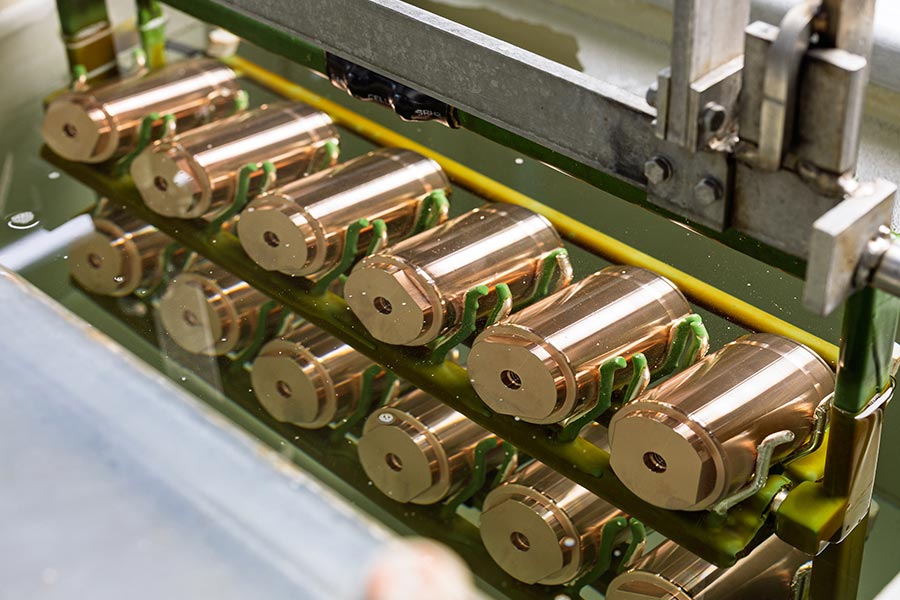
Depending on the application, different metals and coating structures can be used in rack electroplating to achieve the desired electrical, corrosive and mechanical properties.
In many cases, nickel forms the basis to which further functional layers are applied. Typical coatings include
- Copper
- Nickel
- Gold
- Tin (matt and glossy)
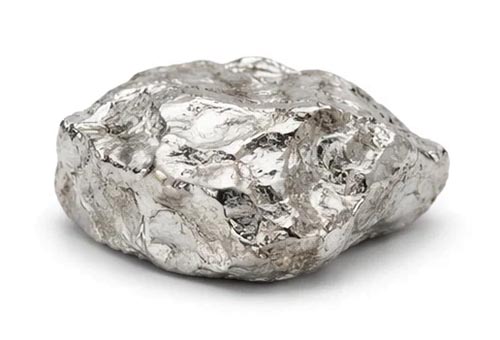
- Silver
- Passivation as tarnish protection
In this way, for example
- good conductivity and defined contact resistances,
- high corrosion protection,
- Suitable surfaces for plug-in, screw or high-voltage connections
specifically.
Testing and measuring procedures at Deusch & Co.
Visual inspection
- With the naked eye – are there any obvious errors or irregularities?
- Using a stereomicroscope – what do surfaces, edges and contours look like in detail?
Coating thickness test
X-ray fluorescence measurement technology (X-ray) – are the defined coating thicknesses and quality standards being adhered to?
Metallographic cross-section examination – how is the layer structure and thickness characterized in the micrograph?
Adhesion test
Bending test – does the coating adhere securely to the base material even when deformed?
Ageing test – how does the coating behave under simulated ageing conditions?
Micrograph inspection – how does the coating bond show up in the micrograph?
Wallpaper test – does the layer adhere securely during the quick peel test with adhesive tape?
Crush test – does the coating have sufficient adhesive strength even under mechanical stress?
Special tests
Passivation test – is the passivation effective?
Solderability test – how do coated parts behave in the soldering process?
Technical data for rack electroplating
The rack electroplating systems from Deusch & Co. are designed for different component types and requirements. The exact limit values for dimensions and weight are coordinated on a project-specific basis.
Possible coatings
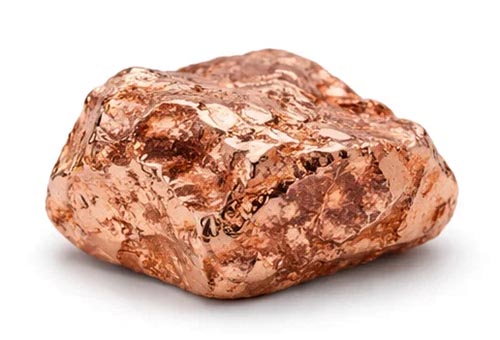
Copper
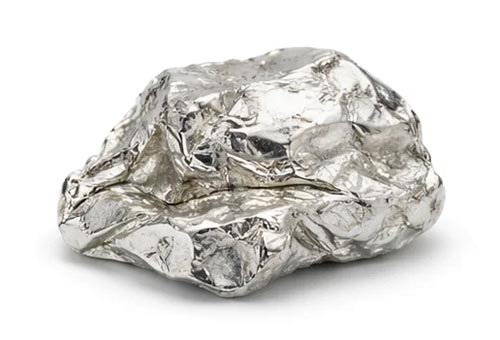
Nickel
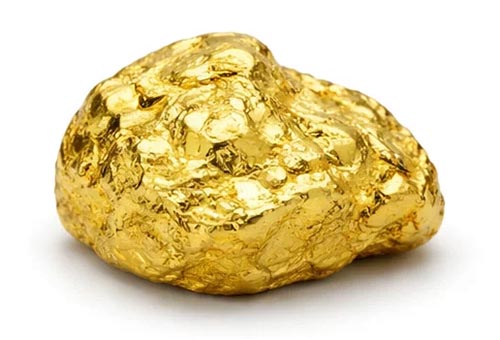
Gold
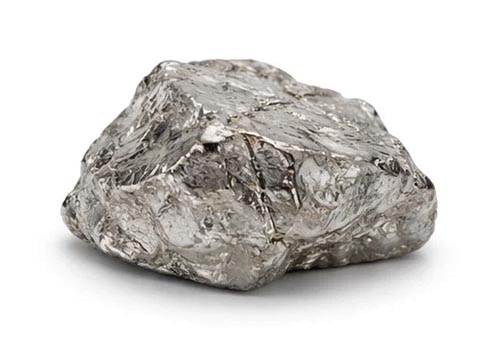
Tin
(matt and glossy)
Silver

Passivation
(tarnish protection)
Quality and standards in rack electroplating
Consistency, traceability and process reliability also take center stage in rack electroplating.
Quality features at a glance:
- Certified according to ISO 9001
- Coating thickness testing using X-ray fluorescence measurement technology (X-ray) for documented and traceable coating thicknesses
- Continuous process monitoring of the relevant parameters
- Extensive testing and measuring procedures: visual tests, coating thickness tests, adhesion tests and special tests
- Complete documentation of the test and measurement results
This provides you with rack electroplating that meets the high requirements in areas such as high voltage, railroad technology or wind power.
Industries and applications of rack electroplating
Rack electroplating for high-voltage electronics
In high-voltage electronics, components have to withstand high electrical and thermal loads. Rack electroplating makes this possible:
- defined layer structures for high-voltage connections,
- reliable contact surfaces inside and outside,
- reproducible surfaces for secure plug-in and screw connections.
Rack electroplating for Wind power and railroad technology
Components in wind turbines and railroad technology are often exposed to vibrations, weather and changing loads. Rack electroplating ensures this:
- robust corrosion protection,
- durable contact surfaces,
- uniform layers even with complex geometries.
Rack electroplating for solar technology and plug connections
Reliable contact resistances and durable contacts are crucial in solar technology and for demanding plug connections.
rack electroplating offers:
- Targeted coating of contact and functional areas,
- defined layer systems for high conductivity,
- Surfaces that are matched to the respective connection technology.
Frequently asked questions about rack electroplating (FAQ)
Which parts are particularly suitable for rack electroplating?
Components that cannot be processed as bulk material, have sensitive geometries or require a defined internal and/or external coating – for example bushings, housing parts or larger functional components – are particularly suitable.
When is rack electroplating better than barrel electroplating?
Rack electroplating is the right choice if parts would be damaged or deformed in the barrel, if certain surfaces are to be coated in a targeted manner or if there are particularly high requirements in terms of appearance and reproducibility.
Are internal coatings, e.g. for bushes, possible?
Yes, one focus at Deusch & Co. is the internal coating of bushings and similar components. Thanks to the rack technology, internal contours can be specifically addressed and coated.
What layer thicknesses are possible in rack electroplating?
The possible coating thicknesses depend on the metal in question and the application. From thin functional coatings to thicker coating structures for corrosion protection, many things are possible. The target coating thickness is determined as part of the technical coordination.
Can smaller quantities also be coated using rack electroplating?
Yes, especially for new projects, prototypes or components with special requirements, rack electroplating offers the possibility of coating smaller quantities in a process-safe environment and later transferring them to series production.
Your request for rack electroplating
Are you planning a project with complex surface coating requirements or would you like to optimize an existing application?
The Deusch & Co. team will support you from the initial idea through sample parts to stable series production. Send us your drawings, samples or requirements – you will receive a sound technical assessment and a suitable quotation.