


Barrel electroplating
Barrel electroplating is the right process when loose parts and bulk goods need to be coated economically and yet to a high quality.
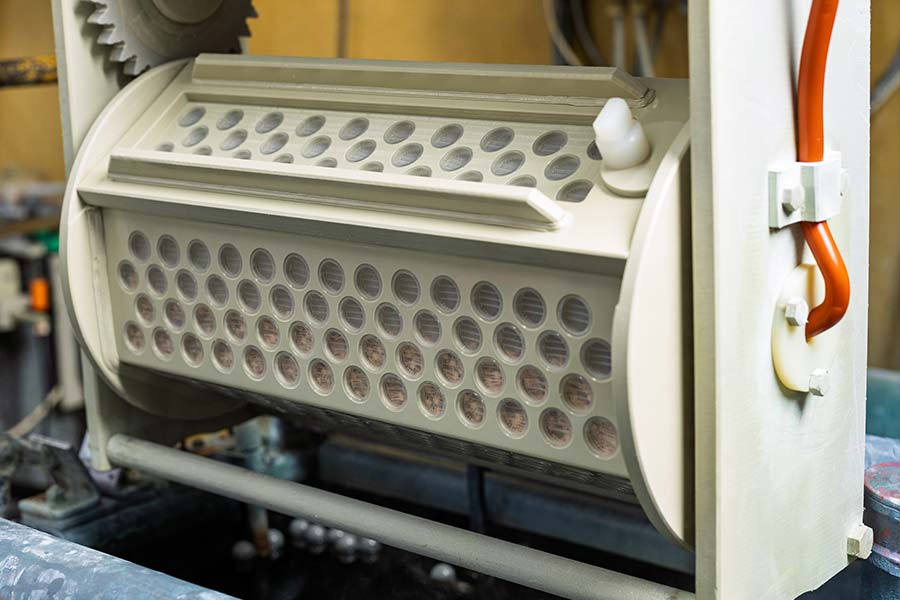
At Deusch & Co., stamped parts and other small parts are finished in specially perforated electroplating drums – ideal for medium to high quantities and robust series processes.
Brief overview:
What is barrel plating?
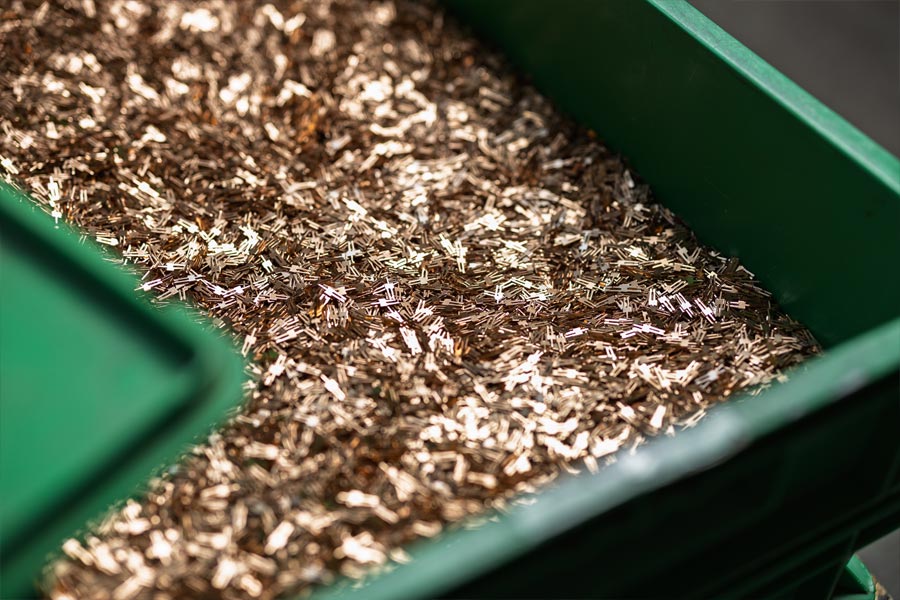
In barrel electroplating, loose metal parts are processed in perforated electroplating barrels. The parts are available as bulk material or loose stamped parts and are fed through the individual process baths together in the barrel.
The rotary movement of the drum ensures that the parts come into continuous contact with the electrolytes and are coated evenly. In this way, large quantities can be coated economically – with reproducible quality and a reliable surface finish.
Barrel electroplating is particularly suitable for small and micro parts, connecting elements and many other components that are processed in large quantities.
Typical applications of barrel plating
Barrel electroplating is used wherever loose parts need to be coated in series and a good balance between quality and cost-effectiveness is required.
Typical applications are for example:
- Loose punched parts and small parts as bulk goods
- Connecting elements and contact parts
- Micro parts and small parts, for example for watch movements or precision mechanical assemblies
- Parts for electrical engineering and electronics
- Components that are assembled, plugged or screwed together in the subsequent process
Processing in the drum means that large quantities can be handled efficiently – without having to pick up each part individually.
Advantages of barrel electroplating
at Deusch & Co.
We combine the advantages of barrel plating with modern system technology and gentle parts handling.
Your advantages at a glance:
- Economical coating of bulk goods – ideal for medium to high quantities
- High-quality gold and silver coatings using the barrel process
- Suitable for micro parts and very small parts, e.g. for watch movements or precision mechanical applications
- Possibility for initial sampling before moving on to larger series
Gentle Vibrobot process
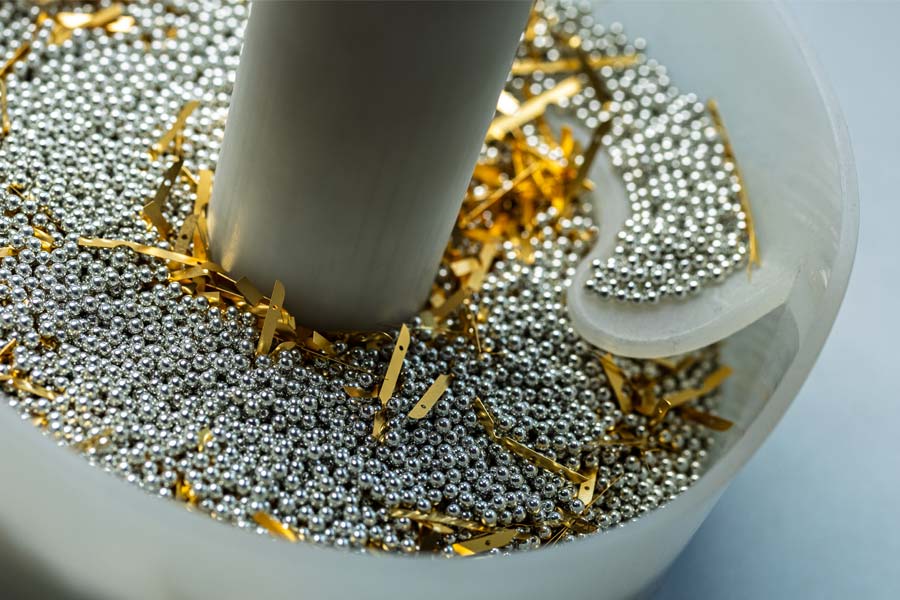
Deusch & Co. uses a vibrobot process for components that are sensitive or must not be deformed.
The mechanical load is reduced by adjusting the movement of the parts in the barrel so that even small and more sensitive geometries can be coated gently. In this way, we close the gap between classic barrel electroplating and complex rack electroplating in our production and create additional economical coating options for loose parts.
Coating thickness measurement by X-ray fluorescence analysis
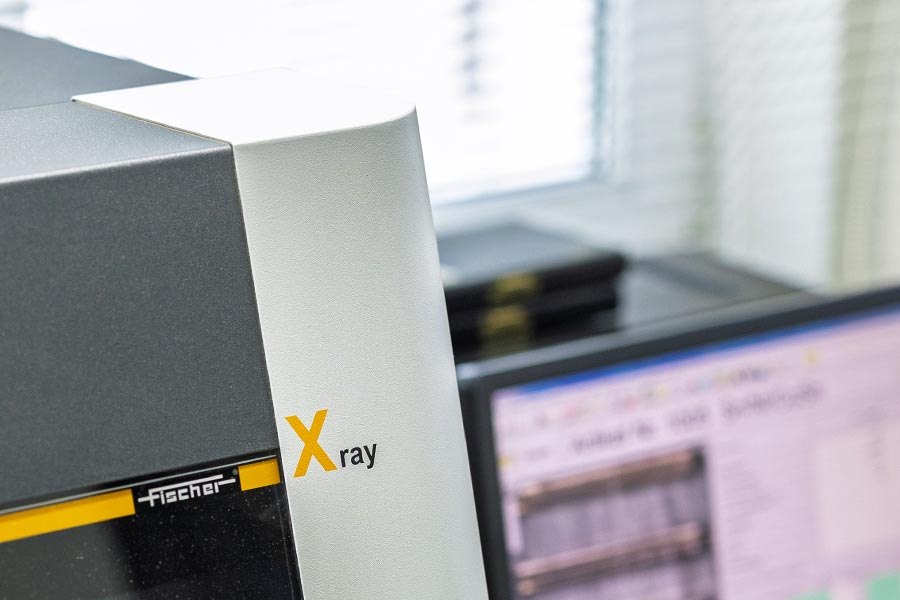
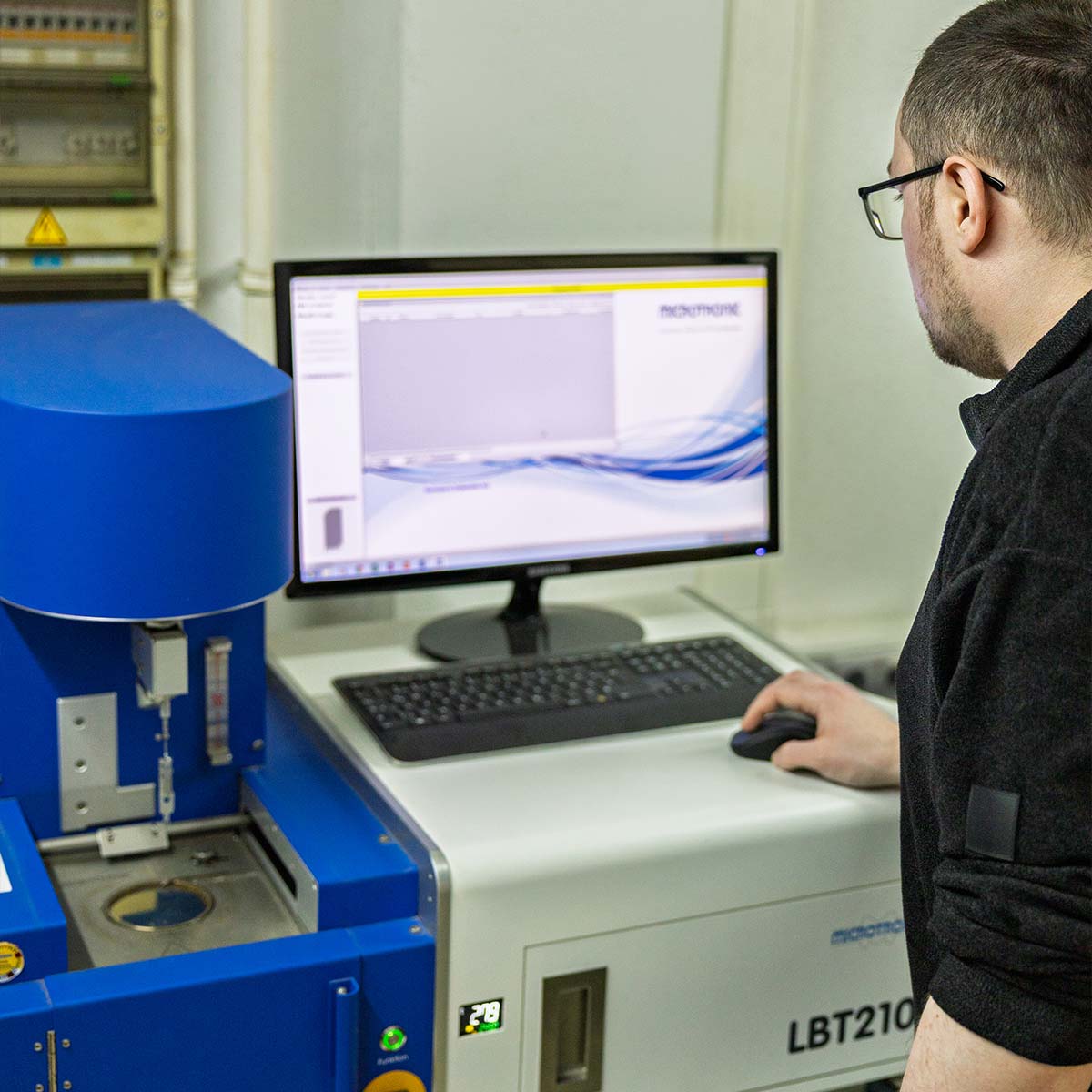
We use an X-ray measurement process (X-ray fluorescence analysis) to check the coating thicknesses. This allows us to precisely monitor and document the layer structure and thickness – an important building block for stable series processes and reliable quality.
All testing and measuring procedures at Deusch & Co.
Visual inspection
- With the naked eye – are there any obvious errors or irregularities?
- Using a stereomicroscope – what do surfaces, edges and contours look like in detail?
Coating thickness test
X-ray fluorescence measurement technology (X-ray) – are the defined coating thicknesses and quality standards being adhered to?
Metallographic cross-section examination – how is the layer structure and thickness characterized in the micrograph?
Adhesion test
Bending test – does the coating adhere securely to the base material even when deformed?
Ageing test – how does the coating behave under simulated ageing conditions?
Micrograph inspection – how does the coating bond show up in the micrograph?
Wallpaper test – does the layer adhere securely during the quick peel test with adhesive tape?
Crush test – does the coating have sufficient adhesive strength even under mechanical stress?
Special tests
Passivation test – is the passivation effective?
Solderability test – how do coated parts behave in the soldering process?
Technical data on barrel electroplating
The barrel plating systems from Deusch & Co. are designed for a wide range of components and surface requirements.
Possible coatings
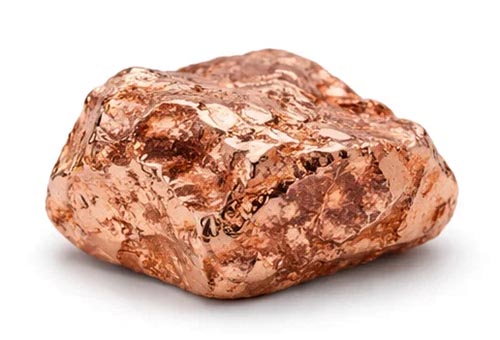
Copper
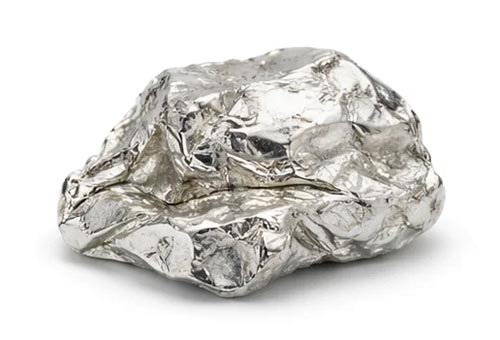
Nickel
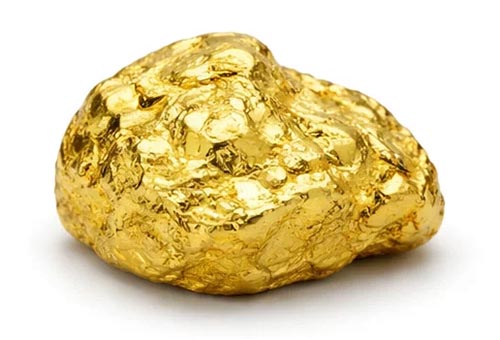
Gold
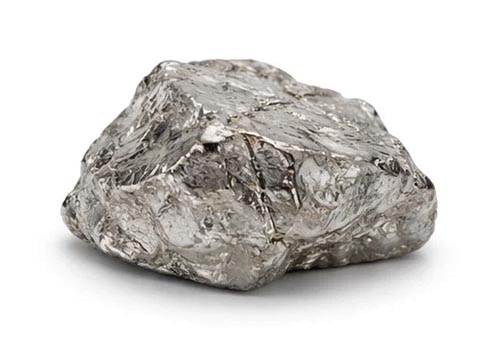
Tin
(matt and glossy)
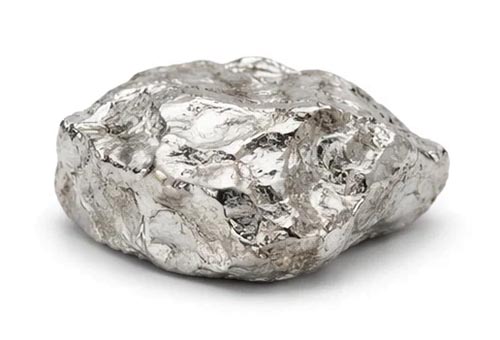
Silver
Passivation
(tarnish protection)
Quality and standards in barrel plating
As in strip electroplating, the focus in barrel electroplating is on consistency and reproducibility.
Deusch & Co. works according to a structured quality management system and attaches great importance to traceable processes.
Quality features at a glance:
- Certified according to ISO 9001
- Coating thickness testing using X-ray fluorescence measurement technology (X-ray) for documented and traceable coating thicknesses
- Continuous process monitoring of the relevant parameters
- Extensive testing and measuring procedures: visual tests, coating thickness tests, adhesion tests and special tests
- Complete documentation of the test and measurement results
This gives you barrel electroplating that is not only functional, but also impressive in terms of quality.
Industries and applications of barrel plating
Barrel electroplating for Electrical engineering and electronics
In electrical engineering and electronics, many small components are used in large series. Barrel electroplating is ideal for this:
- Small parts and contacts as bulk material
- Connecting elements that are later plugged or screwed together
- Small punched parts that are further processed into assemblies
The right coating systems ensure reliable electrical properties and good processability.
Barrel electroplating for precision mechanical applications
Micro parts and very small parts, for example for watch movements or precision mechanical assemblies, place special demands on parts handling.
Thanks to the vibrobot process and adapted process parameters, such parts can be gently electroplated without being deformed or damaged.
Barrel electroplating for near-series sampling
If new products or parts are to be transferred to series production, initial sampling using the drum process is often the most sensible method.
Deusch & Co. provides support here:
- Practical sampling under near-series conditions
- Documentation of the layers and test values
- Adaptation of the parameters for the subsequent series process
Frequently asked questions about barrel electroplating (FAQ)
Which parts are particularly suitable for barrel plating?
Loose parts and bulk goods are particularly suitable, for example punched parts, small parts, contact and connecting elements. The parts should always be drum-compatible, i.e. survive the movement in the drum without functional or dimensional damage.
Thanks to the vibrobot process, Deusch & Co. can also gently process more delicate small parts.
Can micro parts and very small components be barrel plated?
Yes, thanks to specially adapted drums and the vibrobot process, micro parts and very small parts can also be coated, for example components for watch movements or precision mechanical assemblies. The best way to find out whether a part is actually suitable is to look at drawings or samples.
What layer thicknesses are possible in the drum process?
The possible coating thicknesses depend on the metal in question and the application. As a rule, both thin functional layers and thicker layers for corrosion protection can be realized. The target coating thickness is determined jointly as part of the technical coordination.
When is barrel electroplating the right choice?
Barrel electroplating is particularly worthwhile if:
- Parts are available as bulk material or loose punched parts
- medium to high quantities are to be processed
- an economical coating with reproducible quality is required
Whether barrel electroplating is the best solution compared to strip or rack electroplating depends on the geometry, quantity and requirements – we will be happy to advise you directly.
Are initial samples also possible in small quantities?
Yes, Deusch & Co. also offers initial sampling and smaller quantities in the barrel plating sector in order to prepare projects, test new parts or accompany series start-ups. This allows coating systems and processes to be validated before the start of series production.
Your request for barrel electroplating
Would you like to have loose parts, bulk goods or micro parts coated or test a new application?
The team at Deusch & Co. supports you from initial sampling through to series production. Send us your drawings, samples or requirements – you will receive a well-founded technical assessment and a suitable offer.