


Strip electroplating
Strip electroplating is the ideal process when high quantities, precise layer thicknesses and consistent quality are required.
At Deusch & Co., metal strips are electroplated in a continuous process – efficiently, reliably and precisely tailored to the requirements of your application.
Brief overview:
What is strip electroplating?
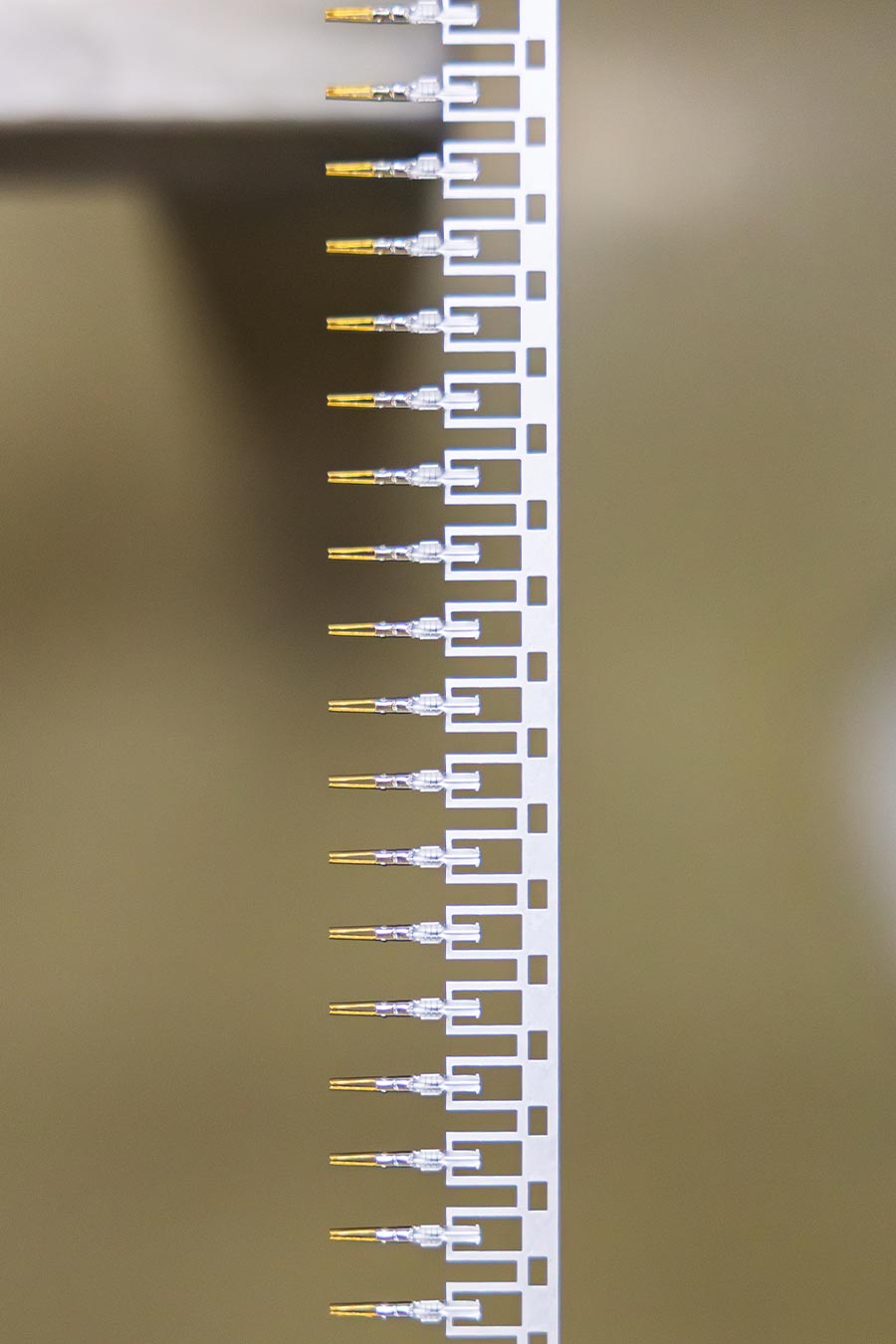
In strip electroplating, metallic strips are passed through various treatment and coating baths in a strip-through process. The strips are available as solid strips, punched or taped and run continuously through the system.
This produces full-surface or selective coatings with different metals – in reproducible quality and with high process reliability. Strip electroplating is particularly suitable for contact parts, connectors and other components that are produced in large series.
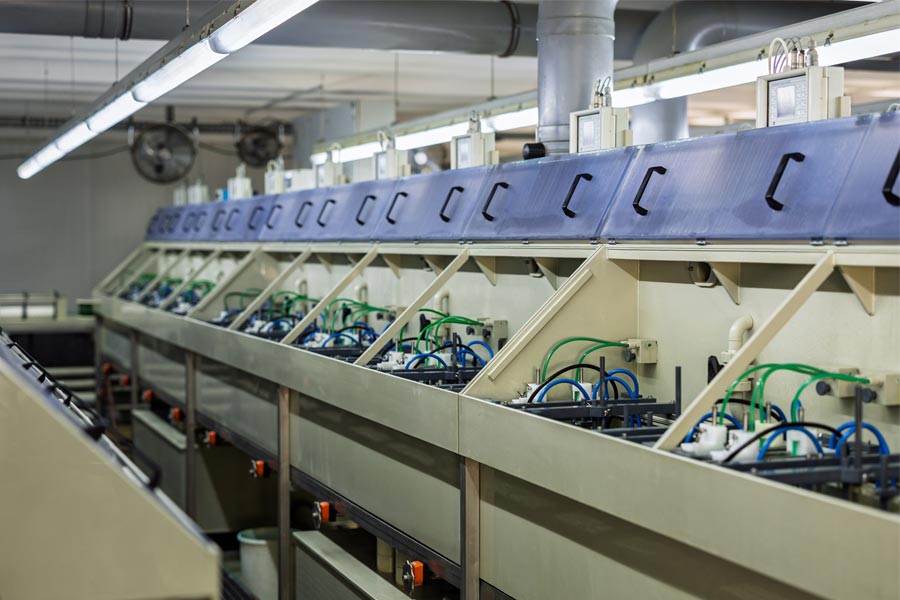
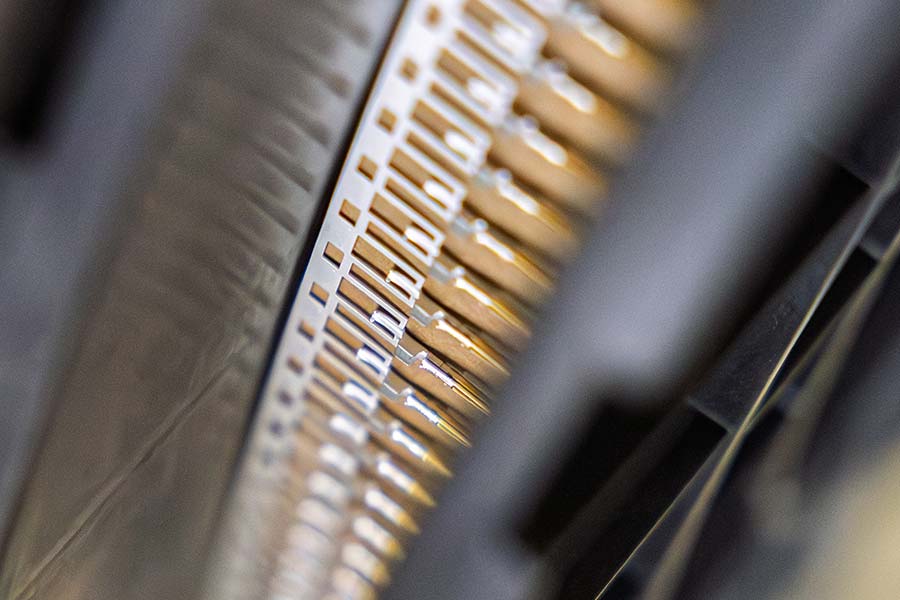
Typical applications of strip electroplating
- Full-surface coating of tapes and contact tracks
- Selective coatings, e.g. only in the connector or contact area
- Connectors and contact parts for the automotive industry
- Components for white goods (household appliances)
- Parts for electrical engineering and electronics
- Applications in communications engineering
- Solid belts that are later punched, bent or assembled
Advantages of strip electroplating
at Deusch & Co.
We combine the advantages of strip electroplating with a flexible, practical focus on your requirements.
Your advantages at a glance:
- High flexibility: economical coating from small quantities to large series
- Short and reliable delivery times thanks to sophisticated system and process planning
- Stable processes for uniform layer thicknesses – even with fine structures and complex contours
- High cycle times for large series and recurring call-offs
- Rewinding system for flexible belt assembly and customized delivery forms
Coating systems and metals
As a rule, nickel forms the base layer in strip electroplating. Depending on requirements, further layers of tin (matt and shiny), copper or gold are applied over the entire surface or partially.
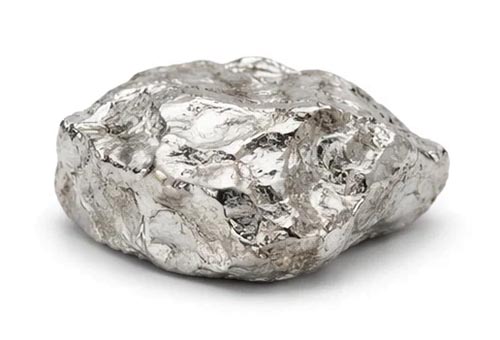
New in the portfolio: silver coatings in strip electroplating.
This is ideal for applications with high conductivity and contact reliability requirements in particular.
Coating thickness measurement by X-ray fluorescence analysis
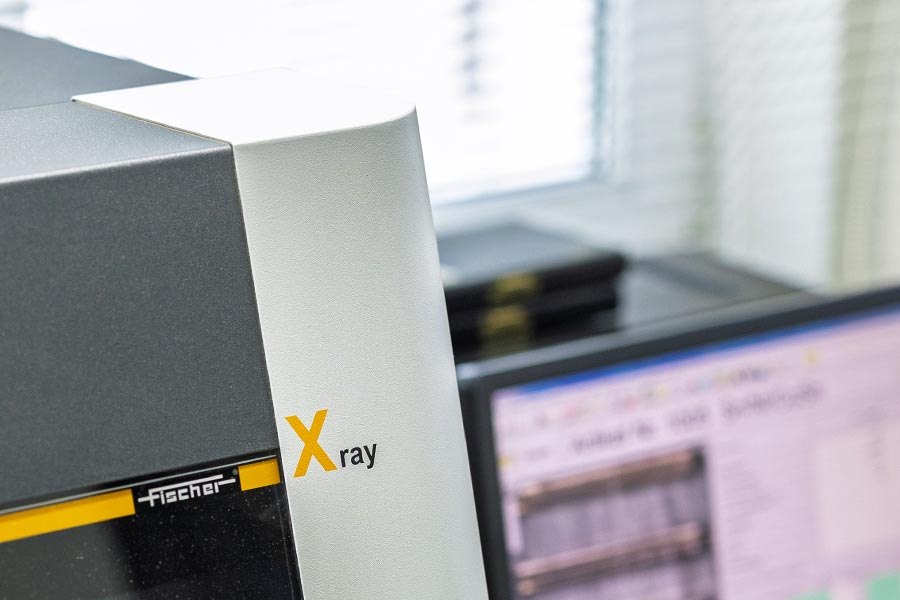
We use an X-ray measurement process (X-ray fluorescence analysis) to check the coating thicknesses. This allows us to precisely monitor and document the layer structure and thickness – an important building block for stable series processes and reliable quality.
Briefly explained: X-ray fluorescence analysis
This is how the process works:
- An XRF device emits bundled X-rays onto the coated surface of the metal strip.
- The atoms of the layer (e.g. gold, silver or tin) are briefly excited by this energy.
- When they fall back to their ground state, the atoms emit characteristic radiation – known as fluorescence.
- As each element has a unique energetic fingerprint, the device can recognize exactly which material is present and, based on the radiation intensity, how thick the layer is.
All testing and measuring procedures at Deusch & Co.
Visual inspection
- With the naked eye – are there any obvious errors or irregularities?
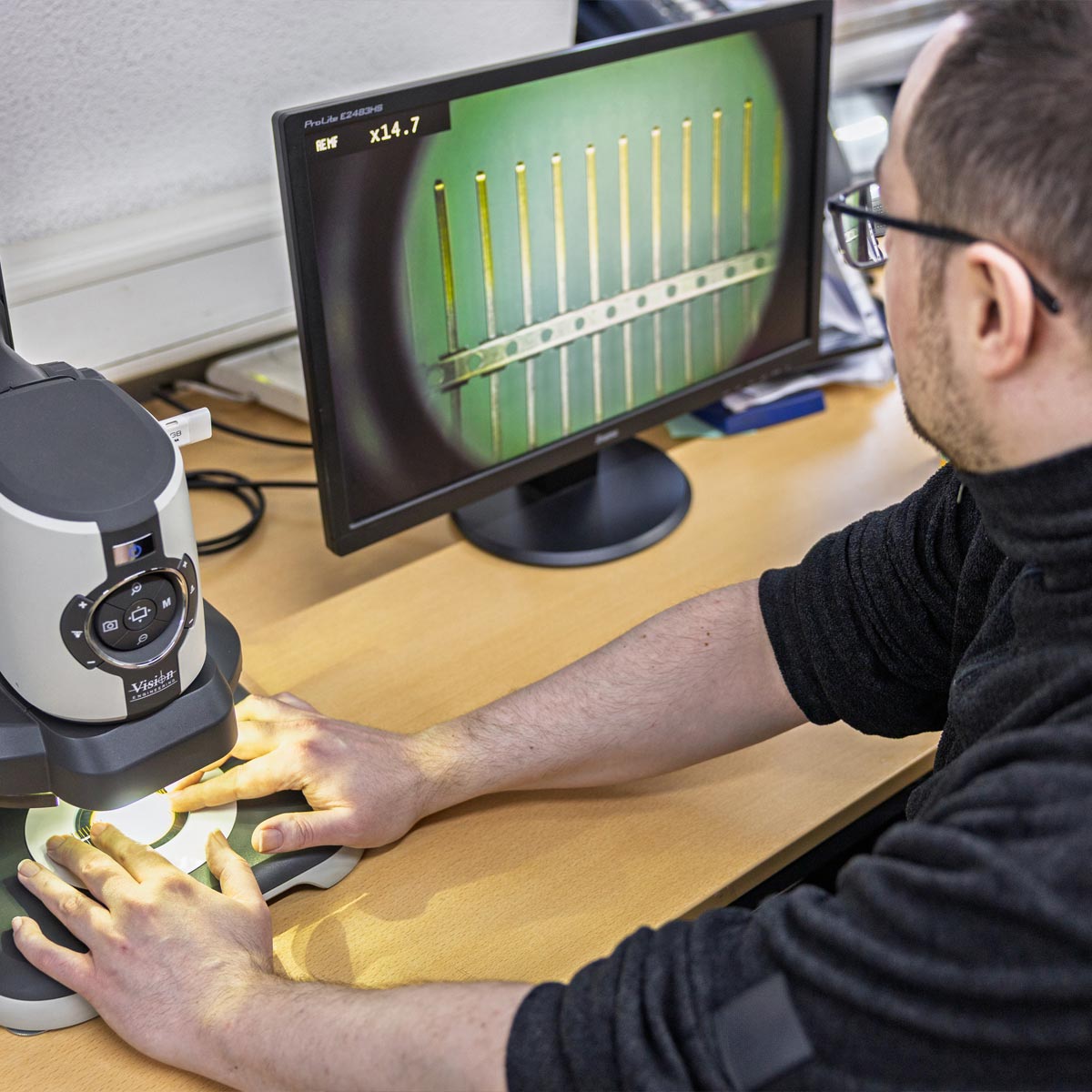
- Using a stereomicroscope – what do surfaces, edges and contours look like in detail?
Coating thickness test
X-ray fluorescence measurement technology (X-ray) – are the defined coating thicknesses and quality standards being adhered to?
Metallographic cross-section examination – how is the layer structure and thickness characterized in the micrograph?
Adhesion test
Bending test – does the coating adhere securely to the base material even when deformed?
Ageing test – how does the coating behave under simulated ageing conditions?
Micrograph inspection – how does the coating bond show up in the micrograph?
Wallpaper test – does the layer adhere securely during the quick peel test with adhesive tape?
Crush test – does the coating have sufficient adhesive strength even under mechanical stress?
Special tests
Passivation test – is the passivation effective?
Solderability test – how do coated parts behave in the soldering process?
Technical data on strip electroplating
Our strip electroplating systems are designed for a wide range of applications.
Key technical data:
- Belt width: up to 120 mm
- Tape thickness: up to 1.5 mm
Possible coatings
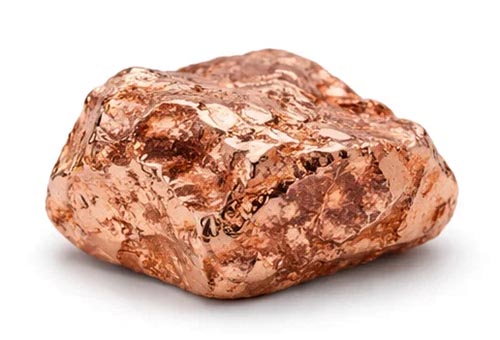
Copper
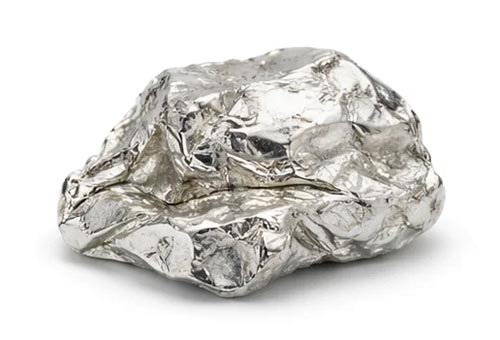
Nickel
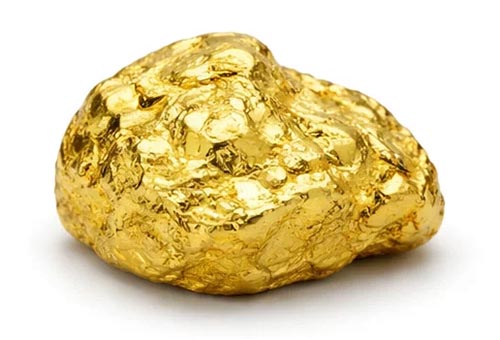
Gold
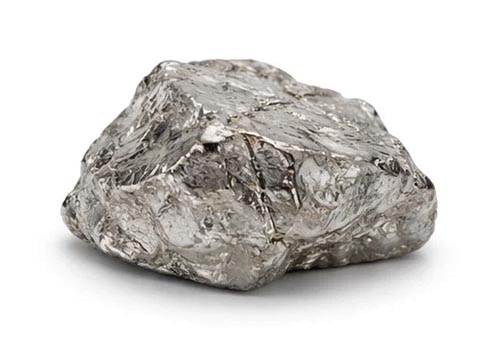
Tin
(matt and glossy)
Silver

Passivation
(tarnish protection)
We naturally adapt coating systems and thicknesses precisely to the requirements of your application. For example, our coatings help to optimize electrical properties, corrosion protection or soldering and mating behaviour.
Quality and standards in strip electroplating
Reliability and reproducible quality are crucial in strip electroplating. Deusch & Co. works according to a structured quality management system and monitors every step of the process.
Quality features at a glance:
- Certified according to ISO 9001
- Coating thickness testing using X-ray fluorescence measurement technology (X-ray) for documented and traceable coating thicknesses
- Continuous process monitoring of the relevant parameters
- Extensive testing and measuring procedures: visual tests, coating thickness tests, adhesion tests and special tests
- Complete documentation of the test and measurement results
This gives you strip electroplating with clearly defined, reproducible properties – both technically and qualitatively.
Industries and applications of strip electroplating
Strip electroplating for the automotive industry
In the automotive industry, contact parts and connectors must function reliably even under harsh conditions.
Strip electroplating ensures this:
- Defined contact resistances
- high corrosion resistance
- Reliable surfaces for mating and joining processes
Whether control units, sensors or vehicle electrical systems – strip-galvanized contact parts form the basis for a stable electrical connection in many assemblies.
Strip electroplating for Electrical engineering and electronics
In electrical engineering and electronics, precise coatings and consistently good contact conditions count. Strip electroplating offers:
- Suitable surfaces for soldering, crimping or plugging
- Application-specific coating systems, e.g. made of nickel, tin or gold
- the option of selective coating where it makes technical sense or is necessary
In this way, functional surfaces can be specifically enhanced while other areas remain unchanged.
Strip electroplating for Communication technology
In communications engineering, the focus is on signal quality and long-term stability.
Strip electroplating ensures that contact surfaces work reliably over long periods of time – for example in connector systems, transmission modules or other connecting elements.
Frequently asked questions about strip electroplating (FAQ)
Which parts are suitable for strip electroplating?
Solid strips, stamped or taped metal strips that are later processed into contact parts, connectors or similar components are suitable. Applications with medium to high quantities and recurring series are typical.
What are the minimum quantities that can be coated?
Strip electroplating is ideal for series production, but is also suitable for small to medium quantities, for example for new projects, start-ups or special applications. Concrete minimum quantities are best agreed directly with our technical advisors.
What layer thicknesses are possible?
The possible layer thicknesses depend on the metal selected and the application. As a rule, both thin functional layers and more robust layer structures can be realized. The desired coating thickness is determined jointly based on your requirements.
When is strip electroplating worthwhile compared to other processes?
Strip electroplating is particularly worthwhile when:
- Components can be processed as a strip
- consistent quality is required over large quantities
- full-surface or selective coatings should be economical in a continuous process
We will be happy to discuss whether strip electroplating is the best solution for your application.
Your request for strip electroplating
Are you planning a project, would you like to optimize existing components or test a new coating system?
Our team will support you from the initial idea through to sampling and stable series production. Send us your drawings, samples or requirements – you will receive a well-founded assessment and a suitable offer.